- News
- lifestyle
- health-fitness
- diet
- Happy, Healthy Diwali
Trending
This story is from October 18, 2009
Happy, Healthy Diwali
Around Diwali, health plans and diet regimens invariably take a backseat. While it is difficult to stay away from those yummy snacks, it's a good idea to keep a constant check on your calorie intake ...

"Get me some salted kajus," he yelled, excited after winning his second big hand in a row. "Any more barfis left?" he inquired in the same breath. Overweight and diabetic, Arun has been instructed by doctors to lose 15 kg over the next three months.

Take Arun, for example. Besides his regular meals, he has been gorging on barfis (250 calories a serving), dry fruit (a handful of cashews is equivalent to 50 grams, containing 450 calories), traditional Diwali dishes like matthis (240 calories for 4), tikkis (350 calories for 2), jalebis and gulab jamuns (140 calories each). And this doesn't even take into account the alcohol one drinks (a single peg contains 200 calories). Of these food items, "the most damaging are high-calorie sweets and fried products. Calories consumed through these are called empty calories because they have no benefits. Instead, they add to the body's fat," says Dr Samaddar. While it may be customary to exchange sweets and namkeens during this time, choosing your snack well while partying is vital. For instance, having dahi vada is better than eating tikkis, suggests Dr Samaddar.
Clinical dieticians say that celebrations can throw even the most disciplined people off their fitness regimens. Not only does the bingeing result in extra kilos, it also causes digestive disturbances, heartburn and indigestion . So here are a few tips from experts on how to avoid these this season...
Plan your meals. If you know you will dine out, then eat less through the day. But don't go starving to the party. Eat a light snack like a salad, soup, some lightly done vegetables, lentils, milk, yoghurt or nuts before you go out. Usually, festive food is higher on calories, fat, salt and sugar - keep a tight control on portion sizes, especially when the variety seems endless. At home, do not allow a build-up of sweets or chocolates. Chances are you'll end up gorging on these. Get rid of them by gifting these to others.
In a restaurant, start your meal with appetisers like clear soups or salads without rich dressings. Pass over the bread and order a portion of grilled vegetables instead. Go for roasted or baked, grilled or barbequed snacks instead of fried ones. Avoid drinking more than two medium measures of alcohol or wine. Alcohol stimulates the appetite and is primarily a source of empty calories since these are stored as fats. Women should limit their intake to one medium drink. Order dry wines, not sweet ones. Also save yourself from calories from sugar by avoiding sweetened beverages. Go in for sugar-free substitutes , diet sodas or fruit juices diluted with soda.
For the main course, look for vegetables with less gravy as that is loaded with fats and calories. Try grilled, stir-fried or lightly saut����ed vegetables. If you are non-vegetarian , choose baked, roasted or grilled fish or poultry instead of red meats. Skip desserts if possible. Fruits make for good alternatives.
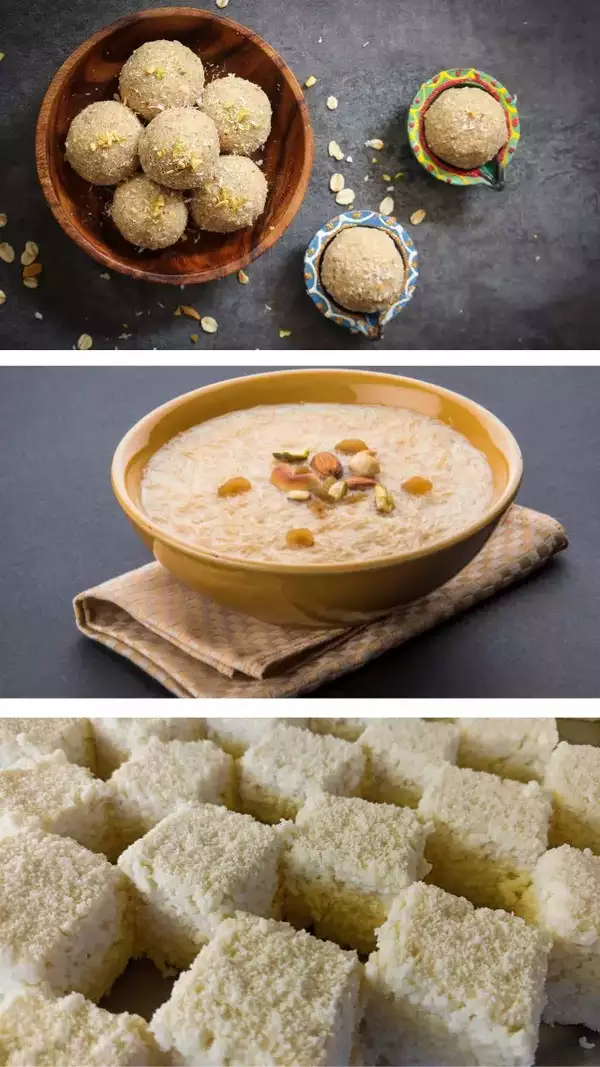
Finally, gift healthy this Diwali. "Find alternatives to traditional high calorie sweets. Give fruits rather than traditional sweets," says clinical dietician Dr Ishi Khosla. "Use skimmed milk to prepare dishes like shrikhand and rice puddings like kheer and phirni. Other less fattening Diwali sweets include sandesh and pedas. Drink several (average two) glasses of water before snacking . This will make your stomach partially full and you will eat less as a result," Dr Khosla adds.
If you have a sweet tooth, here's a piece of good news: Stick to eating rasgullas. They are steamed and therefore have half the calories as compared to gulab jamuns, which are fried and also high in sugar content.
End of Article
FOLLOW US ON SOCIAL MEDIA








Photostories
Featured In Lifestyle

Popular Categories
Entertainment NewsBollywood NewsTollywood NewsKollywood NewsMollywood NewsMovie ReviewsLatest Hindi MoviesLatest Tamil MoviesMX PlayerParenting TipsHome RemediesWeight LossBeauty TipsParenting TipsHindi VideosHindi Video SongsBhojpuri Music VideosLatest Telugu MoviesBhojpuri Music VideoHindi TV News
Trending in Entertainment
Latest MoviesBollywood MoviesHollywood MoviesTamil Movies 2024Telugu Movies 2024Malayalam Movies 2024Kannada Movies 2024Marathi Movies 2024Bengali Movies 2024Top Rated Movies 2024Best Hindi MoviesBest English MoviesBest Telugu MoviesBest Tamil MoviesBest Malayalam MoviesBest Kannada MoviesBest Bengali MoviesUpcoming Hindi MoviesBest Movies Of All TimeBest Hindi Movies of All Time
Trending in Etimes
Horoscope TodayNumerology Predictions TodayAustria ElectionJoe BidenKamala HarrisPopulated Indian CitiesAlcohol Cancer RiskIsrael Beirut WarSunita WilliamsIsrael Hezbollah WarNepal FloodBarbra StreisandSnoring Prevention TipsDonald TrumpMagnesium DeficiencyRelationship TipsSean Diddy CombsAlzheimers DiseaseFunniest Wildlife Photos 2024
Trending in TV
Trending in Lifestyle
Trending in Regional
Movie Reviews
Binny And Family ReviewLove, Sitara ReviewWill & Harper ReviewWolfs ReviewYudhra ReviewJo Tera Hai Woh Mera Hai ReviewKahan Shuru Kahan Khatam ReviewHis Three Daughters ReviewNever Let Go ReviewDancing Village: The Curse Begins ReviewTransformers One ReviewFirst Love ReviewBerlin ReviewThe Buckingham Murders Review
Upcoming Hindi Movies
Upcoming Regional Movies
Latest News
Sagittarius, Daily Horoscope Today, October 1, 2024: A day of inner peace and happinessAquarius, Daily Horoscope Today, October 1, 2024: Optimism in the airBasic Home Loan raises Rs 87.5 crore in a Series B funding roundMallikarjun Kharge's remarks on PM Modi distasteful, disgraceful: Amit ShahPriyanka Chopra shares charming throwback pictures of her transformation from 9 to 17 years old: 'Not a girl, not yet a woman'HC stays probe against Sitharaman, others based on FIR linked to poll bondsGreen Park Stadium needs upgradation: Rajeev ShuklaTapCoin daily bounty cards for October 1, 2024: Earn tokens, exclusive rewards and moreLaughter Chefs: Rahul Vaidya shares a fan's heartfelt message for them; Chef Harpal Singh Sokhi breaks down in tears, 'My sister was in ICU...'Gemini, Daily Horoscope Today, October 1, 2024: Day of hard work and focus'Terrorism has no place in our world': PM Modi tells Israel's NetanyahuSplitsvilla X5’s Siwet Tomar and Anicka Sharma call it quits? The two unfollow each other on social mediaLamborghini convoy stuns Mussoorie: 71 cars on hill steal the spotlightKolkata hospital rape-murder: West Bengal junior doctors resume 'total cease work'Mumbai vs Rest Of India: Irani Cup tie offers chance for hopefuls and rejects to impress selectorsHow to use charcoal powder to whiten teethKaun Banega Crorepati 16: Amitabh Bachchan believes he is 'Half-Sikh' recalling his maternal roots; reveals his aunts called him 'Amitabh Singh'RG Kar case: Kolkata court extends judicial custody of ex-principal, suspended cop till October 4
Other Group Sites -
ETimes is an Entertainment, TV & Lifestyle industrys promotional website and carries advertorials and native advertising.